INSIGHT
For an expo, visibility among Chinese-speaking audiences in New Zealand is often won in the weeks before the doors open. A look at the official media-sponsor campaign for NZ EV & Tech Expo 2026: where the messages ran, how the content was timed, and how the results were reported.
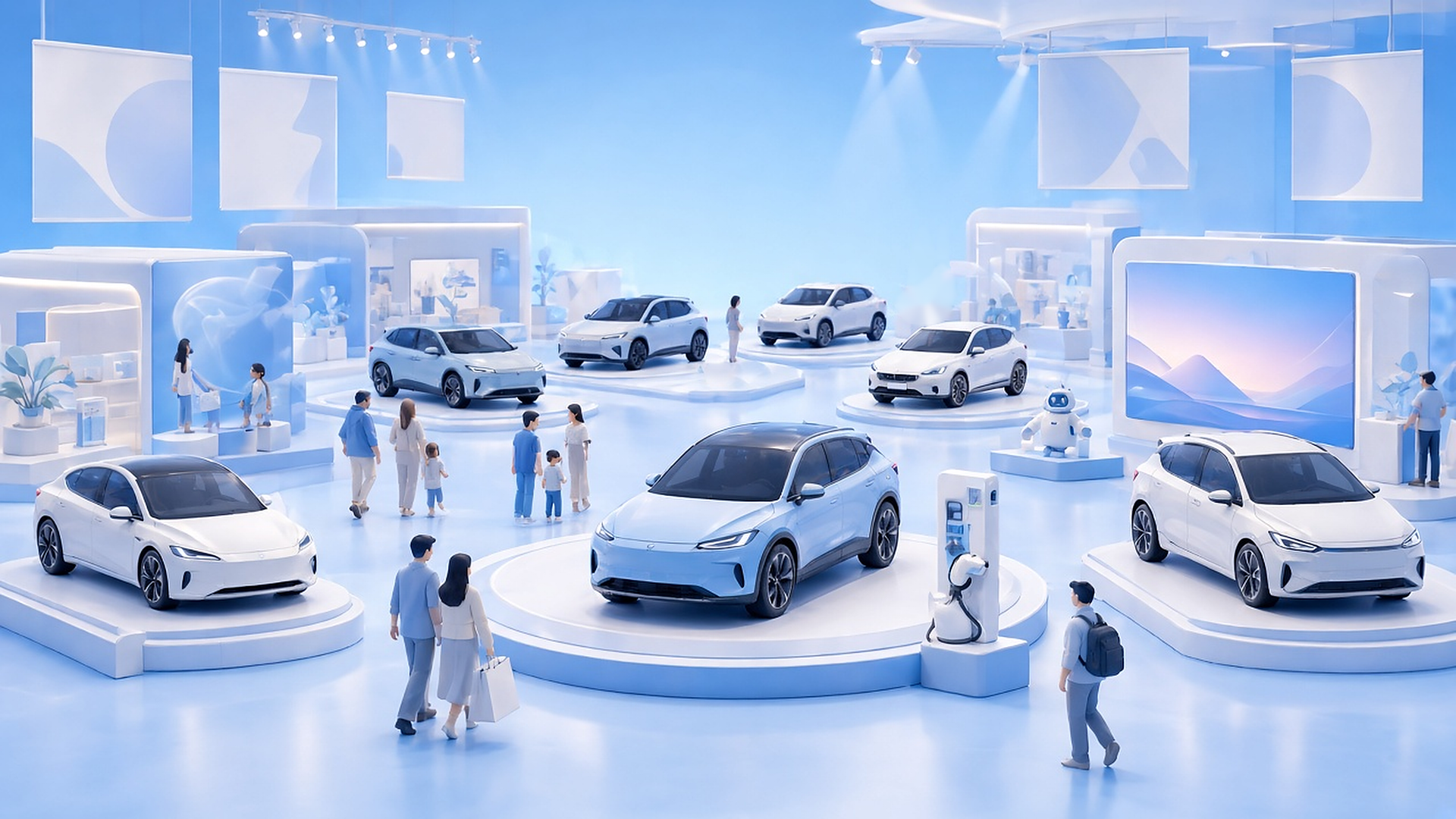
An expo is not only what happens on the show floor. For NZ EV & Tech Expo 2026, one clear task was to reach Chinese-speaking audiences in New Zealand in the weeks before the event at Auckland Showgrounds, held on 13–15 November 2026, and to stay visible through the period when people were deciding whether to attend.
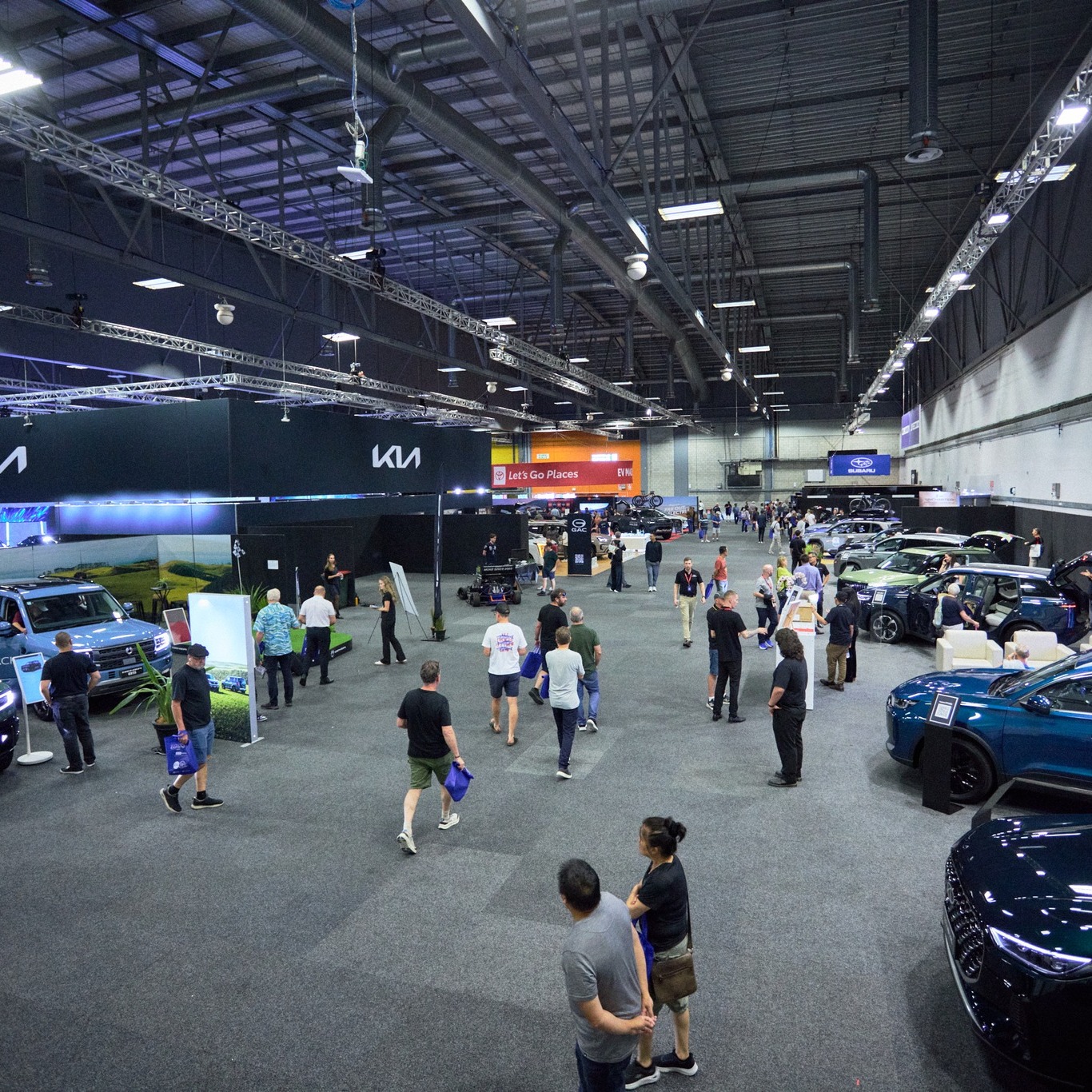
As official media sponsor, Go Global planned and delivered a 25-day campaign, from 20 October to 13 November 2026, across its Chinese media network. The full account of the work and the results is in the NZ EV & Tech Expo 2026 official media sponsor case study. This article sets out the approach in a form other brands and event organisers can reuse.
The choice to attend is rarely made at the door. For car buyers, and for families planning a weekend outing, that decision is often taking shape in the weeks beforehand. This campaign did not begin on opening day. It started earlier, on the channels those audiences already use, and ran through to 13 November.
A 25-day window also made it possible to work in stages: build awareness, remind people as the event drew closer, then use opening-day coverage to connect what they had already seen with the experience on the floor.
The campaign combined social posts, in-article banners, an in-mall screen and a website placement in one plan:
Chinese-speaking audiences in New Zealand do not get event information from a single platform. Official Accounts can explain what is on offer, Channels and Xiaohongshu can show the experience more directly, a mall screen appears in everyday travel, and a website gives people somewhere to return. For the role WeChat and Xiaohongshu can each play, see our guides to WeChat marketing in New Zealand and Xiaohongshu marketing in New Zealand. In-mall screens also sit in the same family of questions as programmatic DOOH: the audience is already moving through a physical place, and the message has to appear where they will actually look up.
People walk into the same expo for different reasons. Some are looking at new models and test drives. Some are coming with family for activities and experiences. Others are drawn to demonstrations such as robotics. The content covered new models, test drives, family activities and robotics, and was aimed at both car buyers and families.
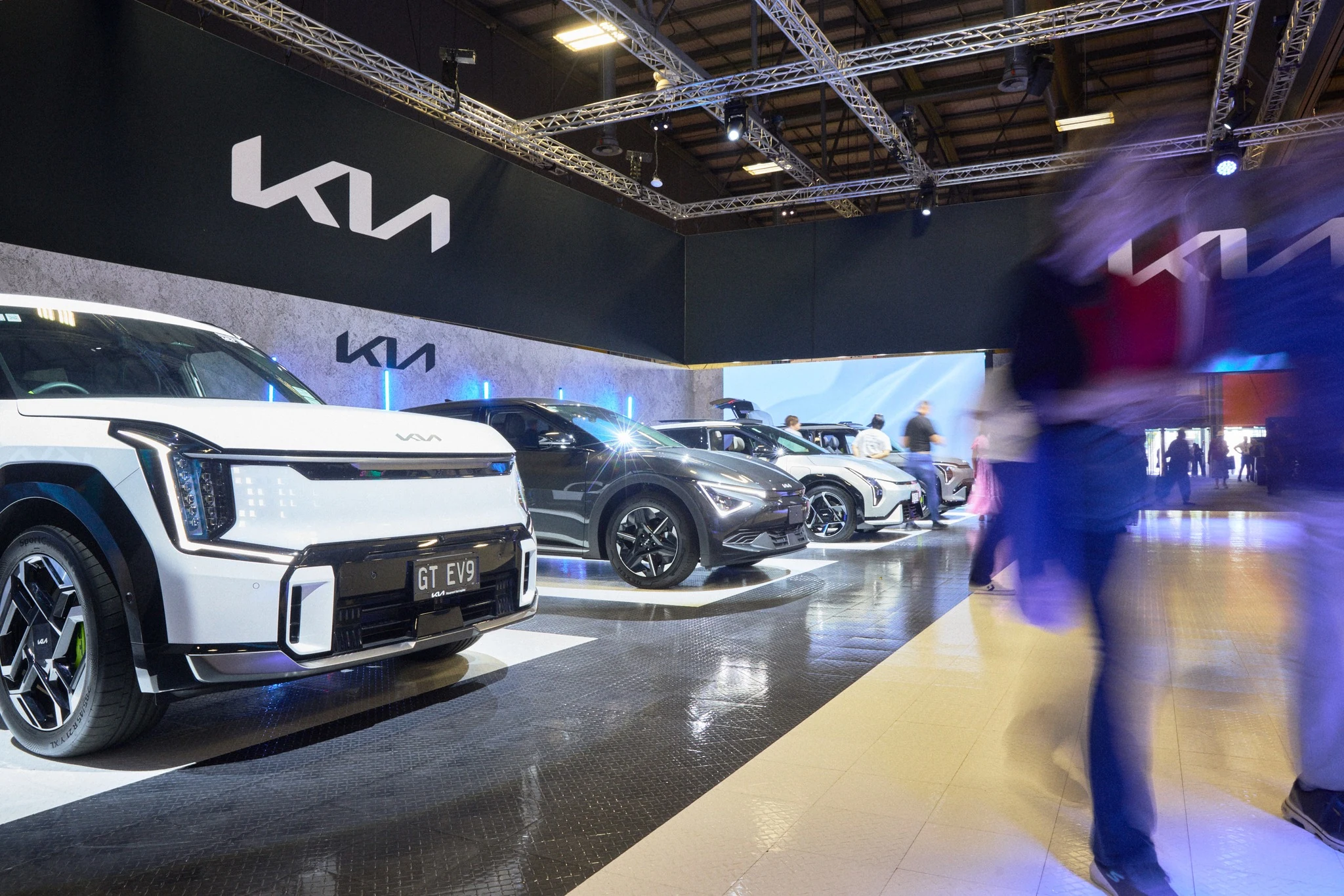
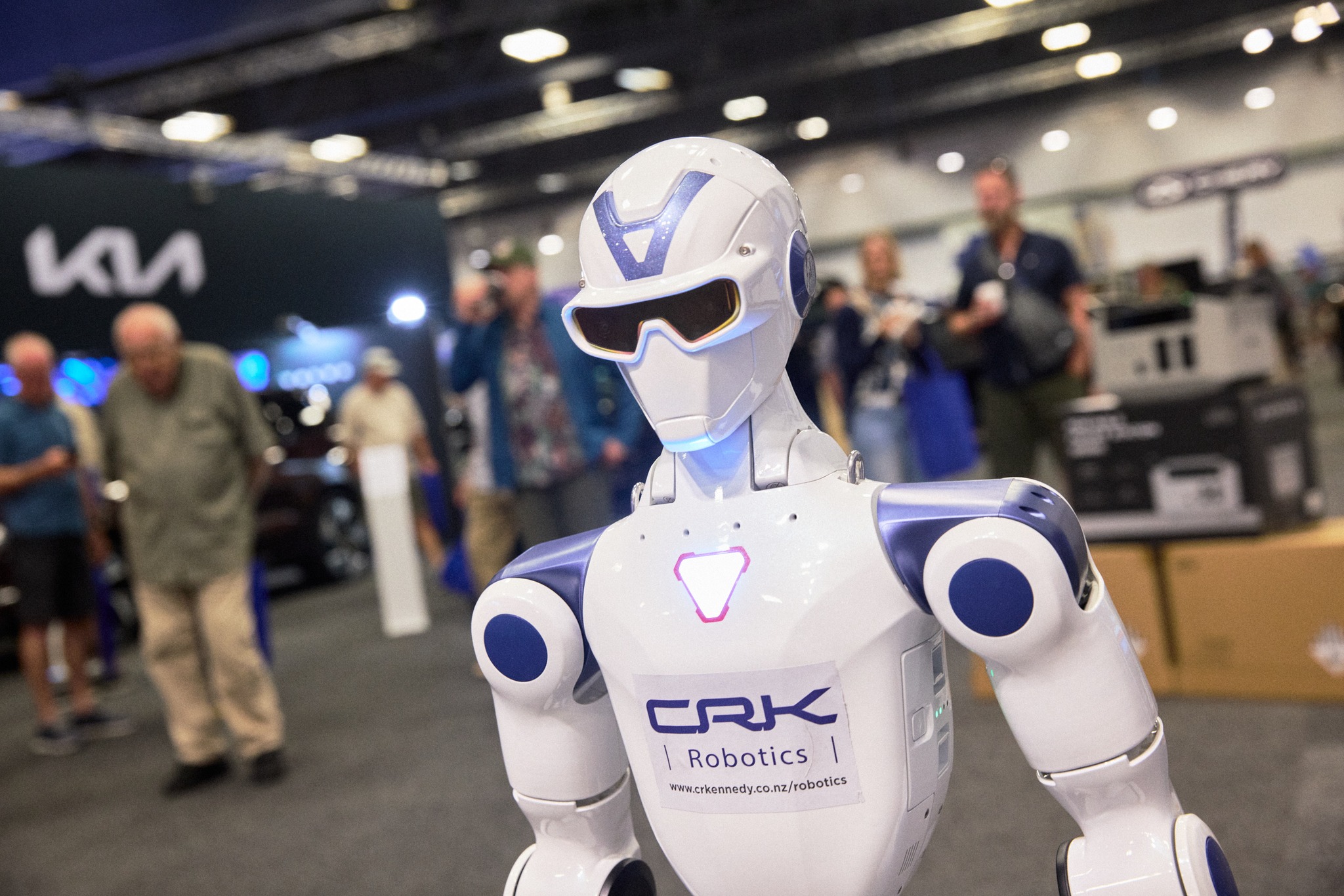
For event marketing, that means it is not enough to say the show is large or that many brands are present. The more useful job is to help different people decide, quickly, whether it is relevant to them and worth the trip.
Two moments were planned in advance: a coordinated multi-account push on 3 November, and opening-day coverage on 13 November, including host on-site tours.

The pre-event push is a chance to raise what has already been published and to remind people who are still deciding. Opening-day coverage then turns those earlier themes into something visible on the floor. Together they are more complete than a set of recap photos issued only after the event.
The campaign generated 254,427 total impressions, made up of:
These are different metrics and are reported separately. They should not be read as the same measure of “people who saw the campaign.” Readers and viewers also shared the 14 posts 3,841 times, carrying the expo’s message further across Chinese community networks. The six accounts have a combined audience base of 1.21 million+ subscribers and followers. That figure describes the existing reach of those accounts, not the number of followers gained during this campaign.
The full breakdown is in the case study.
First, decide who you need to reach, and where they make the decision, before you choose channels. If the audience is Chinese-speaking people in New Zealand, the plan should include the Chinese-language media they already use, not only a translated version of an English release. For a wider planning view, see how to build a multicultural media plan in New Zealand.
Second, a channel mix is usually more reliable than a single standout post. Social posts, in-article placements, a physical screen and a web entry point can each cover a different part of the path from discovery, to understanding, to a reminder close to opening day.
Third, when results are published, keep the definitions honest. Impressions, reads or views, banner impressions, screen plays and shares answer different questions. An account’s follower base is not the same thing as the outcome of one campaign.
If you are planning Chinese-language media for an expo, a launch or a timed campaign in New Zealand, talk to Go Global about the market, the audience and the timetable. You can also look at our connected marketing capabilities and owned media. The scope of any work should be agreed after that conversation.
Have a market question? Bring us the challenge.
Work with us →